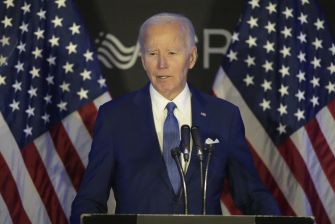
Former President Joe Biden sued the U.S. Department of Justice on Tuesday to block the planned release of audio recordings and transcripts tied to Special Counsel Robert Hur’s classified documents investigation, arguing the department unlawfully reversed its earlier position that the materials were too sensitive to disclose.
Filed in federal court in Washington, D.C., the lawsuit seeks an emergency order preventing the Justice Department from releasing recordings of Biden’s 2016 and 2017 discussions with ghostwriter Mark Zwonitzer to both the Heritage Foundation and the House Judiciary Committee, chaired by Representative Jim Jordan.
The recordings at the center of the dispute were created while Biden and Zwonitzer worked on Biden’s 2017 memoir, “Promise Me, Dad.” Court filings describe the discussions as deeply personal conversations recorded inside Biden’s home, including discussions about the death of Beau Biden from brain cancer and the emotional toll it had on Biden’s decision not to run for president in 2016. The lawsuit states the audio files were created with the understanding they would remain confidential and be used only for the memoir-writing process.
Special Counsel Robert Hur later obtained the files during his investigation into Biden’s handling of classified documents after lawyers discovered records from Biden’s vice presidency at the Penn Biden Center in 2022. The complaint says Biden voluntarily reported the discovery and cooperated with investigators. Hur ultimately declined to bring criminal charges and concluded the evidence did not support prosecution beyond a reasonable doubt.
Questions surrounding the files intensified after Hur’s 2024 report examined Biden’s handling of classified documents and included observations about his memory. Heritage Foundation officials later filed a Freedom of Information Act lawsuit seeking broader access to records tied to the investigation.
DOJ originally fought disclosure of the files in court, arguing the records involved unusually sensitive personal material gathered during a criminal investigation that ended without charges. Earlier DOJ filings compared disclosure to releasing diary entries or private messages belonging to someone who was never charged with a crime. Government lawyers also argued further disclosures would provide little public value because extensive information about Hur’s investigation had already become public through the special counsel’s report, congressional testimony, and interview transcripts.
House Judiciary Committee officials later requested all recordings involving Biden and Zwonitzer related to Biden’s memoirs as part of what the committee described as oversight into the “politicization” of the Biden Justice Department. Lawyers for Biden argue the request falls outside Congress’s authority because the recordings predate the Hur investigation and largely involve family matters and memoir discussions rather than government policy or law enforcement activity.
A separate portion of the lawsuit relies on the federal Privacy Act, which restricts when agencies can release records connected to identifiable individuals without consent. Attorneys for Biden argue the Justice Department cannot rely on the law’s congressional disclosure exception because the House request was allegedly aimed at making the recordings public rather than serving a valid legislative purpose.
Biden also challenges the DOJ’s reversal under federal administrative law rules requiring agencies to explain major policy changes. The lawsuit claims the Justice Department failed to justify abandoning its earlier court arguments defending the recordings from disclosure.
Court filings state the department plans to release the recordings on June 15.