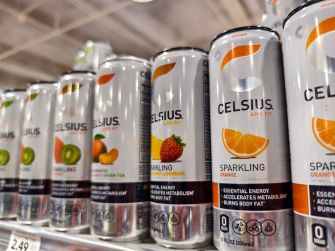
Celsius is facing a proposed class action lawsuit accusing the energy drink company of misleading consumers with claims that its beverages burn body fat and accelerate metabolism, while placing important qualifications in small print on the back of its packaging.
The lawsuit, filed October 26, 2026, in Seattle federal court, alleges that Celsius Holdings Inc. and Celsius Inc. market their drinks as fat-burning products even though the scientific support they cite comes from company-funded studies measuring short-term metabolic changes rather than sustained weight loss.
Washington consumer Annabelle Nielsen accuses Celsius of “healthwashing” through advertising that promises greater health benefits than its scientific evidence supports. The complaint identifies 19 products, including Essential Energy sparkling drinks, Fizz Free varieties and On-the-Go powdered beverages, carrying phrases such as “Burns Body Fat,” “Accelerates Metabolism” and “Live Fit.”
Celsius also includes a disclaimer stating that its drinks alone do not produce weight loss without a healthy diet and moderate exercise. Nielsen alleges the qualification appears at the bottom of the packaging in lettering consumers are unlikely to notice, while the more prominent claims suggest the beverages can independently burn fat.
The company’s research is another focus of the case. Celsius promotes its drinks as scientifically supported and cites six studies examining their effects on metabolism. According to the complaint, Celsius commissioned and funded all six studies, which measured temporary changes in metabolic activity, sometimes over periods lasting only hours.
Nielsen argues the company used those findings to support broader fat-burning claims without giving consumers enough information about its role in funding the research. The lawsuit also questions whether short-term increases in calorie burning provide adequate support for advertising that suggests meaningful reductions in body fat.
Nielsen says she purchased Celsius products from Amazon, Target, Costco, 7-Eleven and Fred Meyer between December 2024 and September 2026. She alleges the health claims influenced what she bought and led her to pay more for drinks she believed would increase metabolism and burn fat.
She says she would have chosen less expensive alternatives or avoided the products had she known about the alleged limits of the advertised benefits.
The lawsuit seeks to represent Washington consumers who purchased the identified Celsius products beginning October 26, 2022. It alleges violations of the state’s Consumer Protection Act and fraudulent concealment and seeks damages, restitution and an order stopping the challenged marketing practices.
Celsius faced similar allegations in a California federal lawsuit filed in January 2024. That case challenged the company’s weight-loss advertising and claims involving chromium, an ingredient Celsius promoted as supporting metabolism. It also questioned whether some of the company’s health representations had adequate scientific support and regulatory authorization.
The earlier lawsuit was voluntarily dismissed with prejudice in August 2024 before the court ruled on the advertising claims. Nielsen’s new case brings another challenge to Celsius’s fat-burning marketing, this time focusing more closely on how the company presents its research and where it places qualifications on the products consumers see in stores and online.
Celsius has yet to file a substantive response to the new complaint.