Colorado voters narrowly approved a major overhaul of the state's income tax system on November 3, 2026, replacing its flat 4.4% rate with a graduated structure that will cut taxes for most residents while raising rates on high earners. Amendment 87 also changes the state constitution, allowing Colorado to collect nearly $2 billion in additional annual revenue for education, health care and child care.
The measure passed with approximately 51.5% support in preliminary results as of November 6. The new tax rates will apply to individuals and businesses beginning January 1, 2027, ranging from 3.7% on the lowest taxable incomes to 8.4% on earnings above $1 million.
Colorado's nonpartisan Legislative Council estimates that approximately 3.4 million individual and corporate taxpayers will receive an average annual tax reduction of $176. About 64,000 taxpayers with taxable income of $510,834 or more will pay an average of $39,171 in additional taxes.
Under the new structure, taxable income up to $25,000 will be taxed at 3.7%, followed by 4.2% on income between $25,000 and $100,000. The existing 4.4% rate will apply to the next $400,000. Higher rates begin at 7.4% on income above $500,000, rising to 7.9% above $750,000 and 8.4% above $1 million. Each rate applies only to income within its bracket.
The overhaul also changes Colorado's Taxpayer's Bill of Rights, known as TABOR, which voters adopted in 1992. The constitutional provision required a uniform income tax rate and generally limits how much revenue the state can retain. Amendment 87 removes the single-rate requirement and authorizes the state to keep the additional tax revenue outside TABOR's existing limit.
The Legislative Council projects $1.97 billion in additional revenue during the 2027-28 fiscal year. That money will go into the newly created Colorado Future's Account to supplement funding for K-12 schools, health care and early childhood programs, including teacher salaries, Medicaid-related costs and child care assistance.
Protect Colorado's Future Coalition, a campaign backed by organizations including the Bell Policy Center, Colorado Fiscal Institute and Great Education Colorado, led the effort to pass the amendment. Coalition co-chair Chris deGruy Kennedy, president of the Bell Policy Center, and New Era Colorado executive director Christina Soliz helped organize support for the proposal, arguing that higher taxes on wealthy households would ease pressure on public services.
The proposal divided prominent Colorado Democrats. Gov. Jared Polis, Gov.-elect Phil Weiser and former U.S. Sen. Ken Salazar opposed the overhaul, citing concerns about its economic consequences. The Colorado Chamber of Commerce also warned that higher taxes could weaken the state's competitiveness and discourage business investment.
Weiser, who will take office in January, has pledged to implement the measure despite his opposition.
Voters also rejected Proposition 136, a competing measure that would have capped Colorado's income tax rate at 4.4%. Approval of both proposals could have created a conflict between the new graduated rates and the proposed tax ceiling.
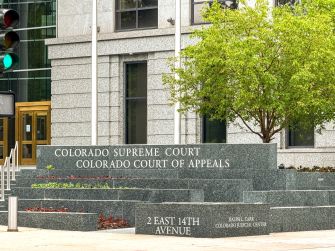
Amendment 87 survived a separate court challenge just days before the election. On October 30, the Colorado Supreme Court upheld a lower court ruling rejecting an effort to invalidate petition signatures over alleged registration violations involving paid signature collectors. The decision allowed votes on the amendment to be counted.
Colorado's Department of Revenue will now prepare tax forms and computer systems for the 2027 tax year. State lawmakers will determine how to distribute the additional revenue among eligible education, health care, and child care programs.