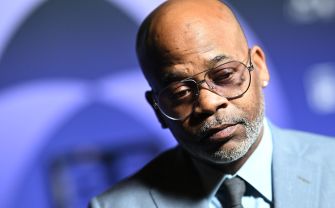
Roc-A-Fella Records co-founder Damon “Dame” Dash is challenging the $550,000 sale of his life story to a film company, arguing that the proposed agreement could give the buyer control over his personal memories, future activities, and participation in projects against his wishes.
Dash's attorney, Mark S. Roher, filed an objection on October 23, 2026, in the U.S. Bankruptcy Court for the Middle District of Florida, seeking restrictions on what Everlasting Films can acquire through the sale. The company won an October 1 auction for Dash's life rights, with proceeds designated for creditors owed more than $25 million in his Chapter 7 bankruptcy case.
The objection asks the court to exclude assets and rights Dash acquired after filing for bankruptcy in September 2025. Roher also wants the sale agreement to explicitly prohibit the buyer from requiring Dash to communicate, cooperate or otherwise participate in any future production.
Without that protection, Roher argued, Dash could be subjected to a "lifetime of involuntary servitude" to the purchaser, preventing him from obtaining the financial fresh start bankruptcy law is intended to provide.
His attorney is also seeking to exclude memories, experiences and thoughts that Dash had never recorded, transcribed or otherwise expressed before entering bankruptcy. Those restrictions would narrow the scope of the rights available to Everlasting while preserving the company's ability to acquire the existing material included in the auction.
The dispute follows an October 21 filing by bankruptcy trustee Traci K. Stevenson identifying Everlasting Films as the successful bidder for exclusive worldwide commercial rights involving Dash's life story, name, voice, image and likeness.
The proposed transaction also includes approximately 100 hours of archival video, photographs and memorabilia dating back to 1990, along with rights to an unfinished documentary or film project about Roc-A-Fella Records that Dash had been developing.
Everlasting initially offered $37,000 as the opening bid, establishing a starting price for competing offers. The auction ultimately reached $550,000, surpassing a $500,000 bid from Doug Peters, who was designated the backup purchaser if Everlasting fails to complete the transaction.
The bankruptcy court is scheduled to consider approval of the sale on October 27. Dash's objection places the scope of the agreement before the judge ahead of that hearing, where the court may address whether additional protections are necessary.
Stevenson first sought permission to auction Dash's life rights in August, arguing that his public profile and history in the music business made them commercially valuable assets available to repay creditors. The trustee said Dash had omitted those rights from the property listed in his bankruptcy petition.
Dash filed for Chapter 7 bankruptcy in September 2025, reporting approximately $25.3 million in liabilities and just $4,350 in personal assets, excluding the disputed life rights.
His debts include roughly $19 million owed to tax authorities in New York, New Jersey and California, approximately $600,000 in unpaid child support and nearly $5 million owed to filmmaker Josh Webber following litigation involving copyright infringement and defamation.
Under Chapter 7, a court-appointed trustee collects and sells property belonging to the bankruptcy estate and distributes the proceeds to creditors according to federal priority rules. The $550,000 winning bid would contribute to those payments if the transaction receives the necessary approval and closes.
The life-rights auction is separate from an earlier sale of Dash's ownership interest in Roc-A-Fella Records, the label he founded in 1994 with Jay-Z and Kareem "Biggs" Burke. His one-third stake, which included an interest in royalties from Jay-Z's debut album, Reasonable Doubt, was auctioned in 2024 to help satisfy tax debts.
Unlike ownership of a record label or its recordings, life rights concern contractual permissions and commercial interests associated with a person's identity and biography. Purchasing such rights does not automatically give a buyer ownership of historical facts or unrestricted authority over the subject's future conduct.
Dash's latest objection challenges precisely those boundaries, particularly whether a bankruptcy trustee can transfer rights involving personal recollections and activities that extend beyond the assets available when the bankruptcy case began.
Judge Roberta A. Colton is scheduled to consider the proposed sale on October 27, when Dash may pursue additional objections to the agreement before the court determines whether it can proceed.