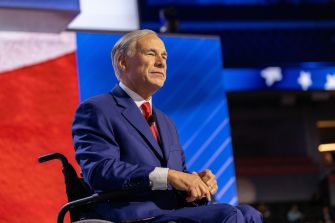
A Texas judge ordered Republican Gov. Greg Abbott on Monday, October 26, 2026, to let his Democratic election opponent inspect more than 1,000 pages of unredacted communications involving Elon Musk and his companies, handing state Rep. Gina Hinojosa access to records the governor previously fought to keep confidential.
Travis County District Judge Catherine Mauzy ruled that Hinojosa, who is challenging Abbott in the November 3 gubernatorial election, is entitled to review the correspondence for legislative purposes. Abbott appealed the decision, potentially delaying her access until after voters go to the polls.
The ruling comes as Musk's businesses receive substantial financial incentives in Texas, including a reported $1.66 billion tax incentive package associated with SpaceX's proposed Terafab semiconductor project. Musk also donated $500,000 to Abbott's reelection campaign in May.
Texas officials approved a $30 million state grant for SpaceX's semiconductor expansion in August, while Starlink, the company's satellite internet service, secured approximately $110 million through a state-administered broadband program. Hinojosa has sought communications concerning those incentives, along with environmental issues, public beach access and data center development.
The dispute began with a 2025 public records request by the Texas Newsroom seeking communications between Abbott's office, Musk and employees of his companies. State officials eventually released 1,374 pages, but all except approximately 200 were completely blacked out.
Much of the material made available consisted of previously public or routine records, including SpaceX incorporation documents, aerospace committee agendas, a state grant email and an application from a former Musk employee seeking appointment to a state commission.
Abbott's office had argued that the correspondence qualified for several exceptions to Texas public records law, including protections for private legal discussions, internal policymaking and confidential business information.
In a request to Attorney General Ken Paxton's office, Abbott's public information coordinator, Matthew Taylor, cited a privacy exception covering information considered "intimate and embarrassing" and of no legitimate public concern. Taylor also argued that releasing internal discussions could interfere with the state's efforts to attract businesses.
SpaceX's attorneys separately warned that disclosure could harm the company's competitive position. Paxton's office subsequently authorized the withholding of much of the correspondence while directing Abbott's administration to release certain records.
Hinojosa filed a new request on September 29, invoking Section 552.008 of the Texas Government Code, which permits state lawmakers to inspect certain confidential government information for legislative purposes. The law requires legislators to maintain applicable confidentiality protections.
After Abbott's office refused her request, Hinojosa sued on October 19, arguing that her authority as a legislator entitled her to examine the unredacted documents.
Abbott's attorneys challenged the request as politically motivated, accusing Hinojosa of using her legislative position to obtain information for her gubernatorial campaign. His spokesperson, Andrew Mahaleris, characterized the lawsuit as an act of desperation.
Hinojosa maintained that the correspondence was relevant to her legislative responsibilities, including oversight of state spending and economic development agreements. Following Monday's ruling, she accused Abbott of favoring wealthy political donors and pledged to continue seeking the records.
Abbott's appeal could delay Hinojosa's inspection of the communications until after the November 3 election. Her current legislative term ends in January 2027, narrowing the window for her to obtain the documents under the authority recognized by the trial court.