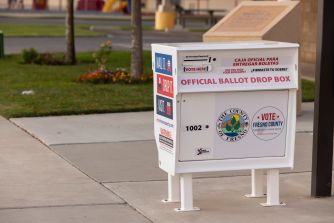
A federal judge on Wednesday rejected the Trump administration's emergency attempt to block California from counting ballots tied t o more than 20,000 voters suspected of being noncitizens, warning that the move would create chaos and risk disenfranchising eligible Americans just six days before the midterm elections.
U.S. District Judge David O. Carter denied the Justice Department's request for a temporary restraining order on October 28, 2026, finding the government's allegations lacked credible support and its proposed restrictions threatened constitutional voting protections. California can continue processing mail ballots under existing procedures ahead of the November 3 election.
More than 3.7 million Californians had already voted, and over 500,000 ballots had been processed when Carter considered the request. Separating ballots tied to the federal government's list would require election officials to develop new procedures during an election already underway.
Carter warned that the proposed restrictions would "wreak havoc" on voting operations and could allow future administrations to interfere with elections based on unproven allegations.
"This request violates longstanding constitutional principles mandating that states have control over their elections," he wrote in his 26-page ruling.
The Justice Department sued California and Los Angeles County on October 15, claiming federal investigators had identified more than 20,000 registered voters who were likely noncitizens. Prosecutors argued that counting their ballots without verifying citizenship would violate federal law and dilute votes cast by eligible Americans.
Federal officials assembled the list using immigration, passport and Social Security records. California challenged its reliability, pointing to people who appeared to be U.S. citizens, individuals absent from voter registration rolls and others who had never received ballots.
The administration wanted officials to separate ballots associated with the flagged individuals until their citizenship could be verified. The number of people on the list who had actually cast ballots was unclear.
Carter found that the proposed order would likely conflict with federal voting protections, including the Voting Rights Act, the Civil Rights Act and the National Voter Registration Act. The latter restricts systematic voter roll removals within 90 days of a federal election, protecting voters from last-minute changes that could affect their eligibility.
The ruling follows the Justice Department's criminal charges against 28 green card holders accused of voting-related offenses. Prosecutors argued that those cases demonstrated a broader problem with noncitizen voting, while California disputed the evidence used to flag thousands of additional people.
During Tuesday's hearing, Carter questioned federal prosecutors about the accuracy of their citizenship checks and why the government needed emergency intervention when it could already prosecute individuals suspected of voting illegally.
He also challenged the administration's attempt to compel California to change election procedures, warning that allowing federal authorities to demand such measures shortly before Election Day could invite political interference in future elections.
Two days earlier, the Ninth Circuit Court of Appeals rejected the Justice Department's initial emergency request, finding that it lacked jurisdiction because Carter had yet to rule. The divided panel left the dispute with the district court, allowing Tuesday's hearing and Wednesday's decision to proceed.
Federal prosecutors have indicated they intend to appeal Carter's ruling, potentially returning the dispute to the Ninth Circuit as California continues processing ballots ahead of the November 3 midterms.