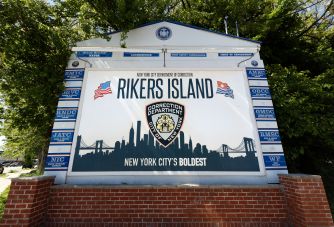
New York City Mayor Zohran Mamdani proposed Friday to delay the closure of Rikers Island until 2032, five years beyond the deadline established under a 2019 city law. The plan, announced November 20, 2026, would require City Council approval to extend the August 31, 2027 deadline while the city builds four replacement jails and reduces the number of people in custody.
City Council Speaker Julie Menin has expressed support for extending the timeline, citing years of construction delays. Brooklyn Council Member Sandy Nurse is expected to sponsor legislation revising the closure requirement, with possible interim deadlines for construction and jail population reductions. Lawmakers are expected to examine the proposal at an oversight hearing in December.
Under the new schedule, Brooklyn's replacement jail would open in 2029, followed by facilities in the Bronx and Queens in 2031 and Manhattan in 2032. The completed system would provide approximately 4,500 beds, requiring New York City to reduce its jail population from roughly 6,600 people to no more than 4,100 by the end of 2032.
An intermediate target calls for reducing the population to 5,500 by the time the Brooklyn facility opens. City officials plan to achieve those reductions through expanded alternatives to detention, faster criminal case processing, mental health services and changes to bail procedures.
The closure requirement dates to legislation adopted under former Mayor Bill de Blasio in 2019, when the city committed to replacing Rikers with smaller facilities closer to courts, public transportation and the communities where people in custody live. Construction setbacks, rising costs and an increase in the jail population have pushed the transition years beyond its original schedule.
Mamdani's proposal comes as Rikers operates under federal court supervision following years of litigation over excessive force, unsafe conditions and violations of court-ordered reforms.
In February, U.S. District Judge Laura Taylor Swain formally appointed Nicholas Deml as remediation manager in Nunez v. City of New York, granting him authority to direct changes to jail operations, staffing, investigations and accountability procedures. Deml began his role on February 23 after the court found that earlier oversight and reform orders had failed to correct longstanding constitutional violations.
Federal supervision remains in place as the city prepares to replace Rikers. Deml's responsibilities include addressing unsafe conditions in existing facilities and overseeing operational reforms that will affect the transition to the new jails.
The administration plans to invest $146 million next fiscal year in mental health care, substance use treatment, education, vocational training and services for crime victims. Additional funding through fiscal year 2030 would support programs intended to reduce detention and help people return to their communities.
Hospital-based treatment is another part of the transition. The city plans to add 236 therapeutic beds at hospitals in Brooklyn and the Bronx, bringing its total planned capacity to 340 beds for incarcerated people with serious mental illnesses or complex medical needs. A 104-bed unit opened at Bellevue Hospital in April.
Criminal case delays are also a target. The city's closure plan identifies approximately 1,470 people who have spent more than a year in pretrial detention, including hundreds awaiting resolution of serious felony charges.
Officials intend to establish an interagency task force involving prosecutors, defense attorneys, courts and law enforcement agencies to accelerate case processing and the exchange of evidence. The effort would address delays that extend detention for people awaiting trial under New York's speedy trial laws.
Other proposed changes include expanding pretrial advocacy teams to challenge unaffordable bail, increasing supervised release options and restoring online bail payments so families can arrange release without traveling to correctional facilities.
The administration has already closed the North Infirmary Command on Rikers and transferred the building, along with portions of two other facilities, to the Department of Citywide Administrative Services. Further transfers are planned as replacement jails open, allowing the city to consider renewable energy and other uses for the island.
Council members are expected to begin reviewing the proposed extension in December, with legislation establishing a revised closure schedule and potentially requiring the administration to meet interim targets. The city also plans to publish quarterly progress reports tracking construction, jail population reductions, and the transition away from Rikers Island.