New York prosecutors have taken down 12 websites accused of selling AI-generated pornography depicting about 1,200 real people without their consent, including actors, politicians, athletes, musicians and social media figures.
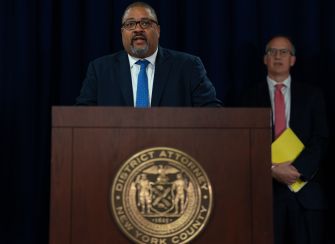
Manhattan District Attorney Alvin Bragg announced the September 14 action after his office obtained a court order authorizing the seizure of the domains. Prosecutors described it as the largest known seizure of AI-generated celebrity deepfake websites to date.
Individuals under investigation allegedly used artificial intelligence tools to transform existing photos and videos into realistic sexual images and footage of people who never participated in the depicted acts. The material was then distributed and sold through websites largely dedicated to deepfake pornography, according to Bragg's office.
Most of the victims were women, and many had public profiles. Those depicted included entertainers, politicians, athletes, social justice advocates, and influencers. Prosecutors have not publicly named the victims or identified the seized domains.
New York law specifically covers realistic sexual images created or altered using digital technology. A person can face criminal liability for intentionally publishing or distributing an intimate image when the depicted person can be identified, did not consent to its distribution, and the person sharing it intended to cause harm.
AI-generated material can fall under the statute even when the sexual conduct shown never occurred. State law defines digitization broadly enough to include realistic alterations created using another person's image or computer-generated imagery.
Unlawful dissemination or publication of an intimate image is a class A misdemeanor in New York. Separate state civil law also allows certain victims to seek damages and court orders addressing sexually explicit images created or altered through artificial intelligence and other digital tools.
The September 14 action targets the domains used to distribute and sell the material rather than individual videos alone. Taking control of the websites cuts off access through those addresses while authorities investigate the people accused of operating them and creating or selling the content.
Bragg's office said the sites were accessible in Manhattan and elsewhere in New York. Investigators also plan to watch for attempts to resume operations through different domain names.
Authorities have not announced criminal charges against specific website operators or content creators in connection with the seizures.
The investigation into the websites and similar operations remains open. Bragg's Cyber Crime Bureau is asking people who believe they were depicted in nonconsensual deepfake material to contact the Manhattan District Attorney's Office.