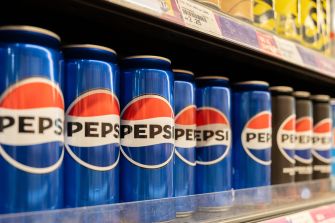
PepsiCo Inc. and Walmart Inc. are facing a proposed nationwide class action lawsuit alleging the companies coordinated prices for Pepsi-branded soft drinks, resulting in higher prices for consumers who purchased those products at retailers other than Walmart.
The lawsuit was filed Dec. 15 in the U.S. District Court for the Southern District of New York by a group of consumers and would include buyers nationwide who purchased Pepsi products outside Walmart stores from 2015 to the present. The complaint alleges the beverage manufacturer and the nation’s largest retailer entered into a long-running pricing arrangement that gave Walmart an advantage while driving up prices at competing stores.
The consumers allege the conduct amounts to vertical price fixing, a form of coordination between companies at different levels of the supply chain, such as a manufacturer and a retailer. In simple terms, vertical price fixing occurs when a supplier and a seller allegedly work together in a way that limits how freely other retailers can set their own prices.
PepsiCo is one of the largest beverage manufacturers in the United States, with products sold through nearly every major retail chain. Its portfolio includes widely distributed brands such as Pepsi, Mountain Dew, Gatorade, Aquafina, Bubly, Rockstar, and ready-to-drink beverages sold under the Lipton, Pure Leaf, and Starbucks labels. The consumers argue that Pepsi’s broad reach across the beverage market, combined with Walmart’s dominant position in grocery retail, gave the companies the ability to influence prices beyond a single product line, amplifying the impact of the alleged pricing arrangement.
According to the filing, Pepsi sold its soft drink products to Walmart at lower effective prices than it offered to other retailers, while charging higher wholesale prices to those competitors. The complaint claims this pricing structure made it difficult for other stores to sell Pepsi products at prices below Walmart’s, even when they attempted to compete on price.
The lawsuit further alleges that Pepsi reinforced this pricing gap by providing Walmart with promotional payments, discounts, and marketing support that were not offered on equal terms to other retailers. The filing also claims Pepsi shared detailed pricing and sales data with Walmart, allowing the retailer to track competitors’ prices and pressure Pepsi to maintain Walmart’s price advantage.
The consumers argue these practices violated Section 1 of the Sherman Antitrust Act, a federal law that bars agreements that unreasonably restrict competition. The law is intended to protect consumers by ensuring companies make pricing decisions independently, rather than through coordinated strategies that can keep prices artificially high.
Not all pricing agreements are illegal under antitrust law. Courts often evaluate such claims under what is known as the rule of reason, which examines whether a business practice harms competition more than it benefits it. Judges consider factors such as a company’s ability to influence prices, the effect on competition, and whether there are valid business justifications. The complaint contends the alleged coordination reduced price competition and led consumers to pay more across much of the retail market.
The lawsuit also raises concerns about the exchange of competitively sensitive information. According to the filing, Pepsi shared non-public pricing and sales data with Walmart, information that could reduce uncertainty about how competitors price similar products. Antitrust law recognizes that such information sharing can discourage competition by signaling expected pricing behavior and making coordinated outcomes easier to sustain.
In addition to the federal antitrust claim, the consumers rely on state antitrust and consumer protection laws, as well as a claim for unjust enrichment. This approach reflects the role of indirect purchasers, meaning consumers who buy products at retail rather than directly from manufacturers.
In practical terms, when a manufacturer raises prices to a retailer, that increase is often passed along to shoppers at the checkout counter. While federal antitrust law generally limits damage claims by indirect purchasers, many states allow consumers to seek recovery under their own laws. The lawsuit relies on both federal and state legal theories to address purchases made nationwide and within specific states.
The complaint includes price comparisons showing that Pepsi products sold at non-Walmart retailers cost more than the same products sold at Walmart, including items such as twelve packs of soda, sports drinks, and bottled beverages. The consumers argue these differences reflect the alleged pricing coordination rather than normal market competition.
PepsiCo and Walmart have not yet responded to the allegations in court.