Shabba Ranks Sues Greensleeves to Reclaim ‘Mr. Loverman,’ ‘Dem Bow’ Publishing Rights
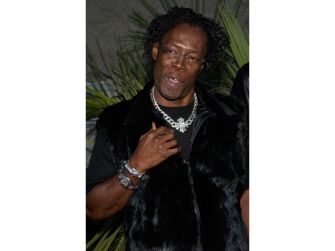
Shabba Ranks is suing Greensleeves Publishing in a bid to reclaim U.S. publishing rights to some of his best-known songs, including “Mr. Loverman” and “Dem Bow,” after the company rejected his attempt to end a publishing deal signed more than three decades ago.
The Jamaican dancehall star, whose legal name is Rexton Gordon, filed the lawsuit Friday over compositions including “Slow and Sexy,” “Housecall,” “Mr. Loverman,” “Let’s Get It On” and the influential 1990 track “Dem Bow.”
At the center of the dispute is a 1989 publishing agreement that Greensleeves says classified Shabba’s compositions as works made for hire.
The work-for-hire designation could decide whether Shabba gets the songs back.
U.S. copyright law allows creators in some cases to reclaim rights they transferred decades earlier. That option does not apply to works legally made for hire.
Shabba notified Greensleeves in 2023 that he intended to terminate the earlier grant covering his compositions. The publisher rejected the notice, citing the work-for-hire language in the 1989 agreement.
His attorneys now want a court to declare the termination valid.
The lawsuit argues that calling the songs works made for hire in a contract does not automatically make them so under federal copyright law. Shabba says he was never an employee of Greensleeves and that the compositions do not qualify as works that an independent creator and hiring party can simply agree to treat as works for hire.
“The compositions are not and could not have been works made for hire under the U.S. Copyright Act, regardless of the language of the assignment,” his attorneys wrote.
If Shabba prevails, the ruling could allow him to regain U.S. publishing rights covered by the termination notices rather than leaving them under the decades-old agreement.
The catalog includes music from the period when Shabba became one of dancehall’s most visible international performers. “Mr. Loverman,” “Slow and Sexy,” “Housecall” and “Let’s Get It On” all reached the Billboard Hot 100.
“Dem Bow” carries a different significance. The 1990 song gave its name to the dembow rhythm that became closely associated with the development of reggaetón and remains central to a separate copyright battle involving some of the genre’s biggest artists.
Shabba is credited as a co-author of “Dem Bow” alongside Cleveland “Clevie” Browne and the late Wycliffe “Steely” Johnson. The song’s U.S. copyright registration identifies Shabba’s contribution as lyrics and vocal music.
The new case does not ask the court to decide who created the dembow rhythm or resolve the separate reggaetón litigation. It focuses on whether Greensleeves can continue relying on the 1989 publishing agreement after Shabba invoked his statutory termination rights.
Similar disputes have reached courts as artists try to regain control of music transferred early in their careers.
Salt-N-Pepa are currently fighting Universal Music Group over termination rights to their recordings, with UMG also relying in part on a work-for-hire argument. Major record companies have separately sought Supreme Court review of another ruling involving how copyright termination applies outside the United States.
Shabba’s lawsuit puts the same threshold issue before the court in his case: whether the songs covered by his publishing agreement were legally works made for hire, or whether he can use federal copyright law to reclaim rights he transferred decades ago.