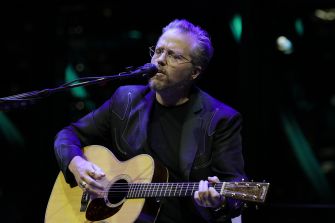
AI music company Suno is asking a federal judge to dismiss a lawsuit brought by Jason Isbell and three other musicians, arguing that using an artist's name to describe a musical style is protected speech rather than an unlawful use of their identity.
In a motion filed Tuesday, November 3, 2026, in federal court in Massachusetts, Suno compared its technology to a producer asking musicians to create something with "more of a Jason Isbell vibe." The company argues that artists cannot use state publicity laws to prevent others from referring to their names when describing musical genres or styles.
Isbell and three other musicians sued Suno in August, alleging that its AI system exploits their names, voices and other identifying characteristics to generate music without permission. The proposed class action seeks to represent other performers whose identities may have been used in similar ways.
Unlike copyright claims involving the unauthorized reproduction of recordings, the musicians' lawsuit relies primarily on state right-of-publicity laws, which protect individuals against certain commercial uses of their names, likenesses and identities.
Suno disputes that its technology violates those protections. The company maintains that artist names entered into its platform are converted into descriptive musical characteristics before reaching the music-generation model. A request referencing Duran Duran, for example, might be translated into terms such as new wave, synth-pop and pop rock.
The musicians challenge those safeguards, alleging that users can bypass restrictions by inserting spaces between letters of an artist's name. Their complaint also argues that converting names into musical descriptions does not eliminate the underlying use of performers' identities, because the system was designed to recognize artists and associate them with particular sounds.
Suno's attorneys contend that referring to musicians as creative reference points is a common practice protected by the First Amendment. They argue that allowing the lawsuit to proceed on that basis could restrict how musicians, producers and technology companies describe and develop new works.
The company separately argues that federal copyright law prevents artists from using state publicity rights to claim exclusive control over musical styles. Copyright generally protects original creative expression rather than broad stylistic characteristics, and Suno maintains that the lawsuit attempts to establish protections that Congress did not provide.
Suno is also defending a separate copyright lawsuit brought by Universal Music Group and Sony Music, which accuses the company of using protected recordings without permission to train its AI models. Those allegations involve a different legal question from whether generating music associated with an artist's identity violates publicity rights.
U.S. District Judge Angel Kelley has not ruled on Suno's dismissal request. The musicians are scheduled to respond by December 1, with Suno's reply due December 15.