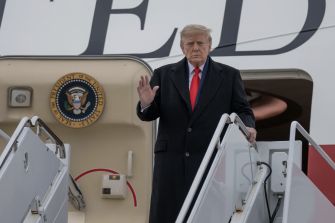
President Donald Trump has suspended sweeping new sanctions against Russia just four weeks after signing them into law, invoking a national interest waiver to halt Congress-approved economic penalties two days before they were set to take effect.
The October 16, 2026, executive order puts major restrictions on hold, including a 500% increase in tariffs on Russian goods and 100% duties targeting countries that continue purchasing Russian oil and natural gas. The sanctions were designed to cut revenue supporting Moscow's war against Ukraine, but the administration has moved to suspend their implementation amid concerns about rising energy prices.
Trump signed the Lindsey O. Graham Sanctioning Russia and Iran Act on September 18 following bipartisan support in Congress. Named for the late Republican senator from South Carolina, the legislation authorized economic penalties against Russia, major buyers of its energy exports, financial institutions, and entities involved in sanctions evasion.
The law also gave the president a way to suspend those restrictions. Under Section 115, Trump can waive sanctions and tariffs if he determines that doing so serves U.S. national interests, provided he submits a written certification to Congress and a report explaining the decision.
The White House order states that both documents were submitted to lawmakers, although the publicly released text provides no detailed explanation of the administration's justification. The waiver covers numerous provisions of the Graham Act while leaving earlier sanctions imposed under separate executive orders in place.
Among the suspended penalties are 100% tariffs on goods from the five largest importers of Russian crude oil and natural gas if they knowingly make new purchases beginning October 18. Countries identified as leading facilitators of Russian oil sanctions evasion could face similar duties. The order also waives a 500% increase in the rate of duty on goods imported directly from Russia.
China and India, two major buyers of Russian energy, had expressed concern about the legislation's potential economic consequences. The proposed tariffs could have significantly increased the cost of exports to the United States from countries maintaining energy relationships with Moscow.
Trump's decision follows a separate agreement with Russian President Vladimir Putin to allow Russian diesel back into global markets. The administration has presented the arrangement as a way to increase fuel supplies and ease rising energy prices, while lawmakers have raised concerns that additional sales could strengthen Russia's finances during its war against Ukraine.
The diesel agreement drew objections from 12 senators, including six Republicans, who urged Trump in an October 13 letter to reverse the arrangement and enforce the sanctions Congress authorized. The lawmakers argued that allowing Russia to expand energy sales would undermine American security interests and provide Moscow with additional financial resources.
Their warning came just three days before Trump suspended much of the legislation. In their letter, the senators pressed for sanctions against countries helping sustain Russia's war effort, identifying China as a major target of the proposed economic pressure.
Democratic Rep. Don Beyer of Virginia also accused Trump of weakening American pressure on Putin. His criticism adds to the congressional opposition surrounding the administration's approach to Russian energy exports as it seeks to address elevated fuel costs.
Congress expressly authorized the national interest waiver under Section 115, leaving the Graham Act in force while suspending the provisions covered by Trump's order. The distinction allows the administration to halt implementation of the new penalties without requiring Congress to amend or repeal the law.
Existing restrictions imposed under earlier executive orders addressing Russian government activities remain in effect. The October 16 directive specifically preserves those measures, separating the newly waived provisions from sanctions already imposed on designated individuals and entities.
The executive order directs the U.S. trade representative, working with the Treasury, State, and Energy departments, to continue monitoring Russian oil and natural gas purchases, along with efforts to evade sanctions. Officials must report developments that could warrant additional action by the president.
The waivers have no fixed expiration date. They remain in effect until Trump or the secretary of state, in consultation with other designated officials, determines that further action is appropriate.