YouTube will return to Billboard's U.S. music charts in 2027 after the publication agreed to give advertising-supported streams greater weight, resolving a disagreement that prompted the video platform to withdraw its data earlier this year.
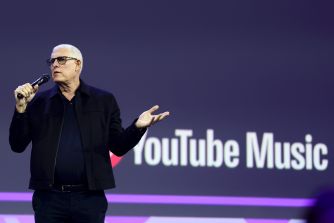
YouTube's global head of music, Lyor Cohen, confirmed the decision Monday, November 9, 2026, after Billboard announced a revised formula reducing the difference between how paid subscription and free, advertising-supported streams count toward album rankings.
Beginning with the Billboard 200 chart dated January 16, 2027, the number of advertising-supported streams required to equal one album consumption unit will fall from 2,500 to 1,500. One thousand paid subscription streams will continue to equal one album consumption unit, changing the weighting ratio from 2.5-to-1 to 1.5-to-1.
The new formula will apply to streaming activity recorded from January 1 through January 7. Although YouTube has confirmed it will resume participating in Billboard's charts in 2027, the company has not announced a specific date for restoring its data submissions.
YouTube withdrew its streaming data beginning with charts dated January 31, 2026, after objecting to Billboard's previous methodology. The company argued that advertising-supported listening was being undervalued compared with paid subscriptions, despite the significant role free streaming plays in music consumption.
Cohen announced the platform's return in an update to YouTube's original December 2025 statement about leaving Billboard's charts. He welcomed the revised formula as a step toward better accounting for how audiences listen to music across subscription and advertising-supported services.
The change increases the chart value of advertising-supported streams by approximately 67%, although paid streams will continue to carry greater weight. Billboard's formula also counts one traditional album sale or 10 individual track sales as one album consumption unit.
YouTube first contributed streaming data to Billboard's song charts in 2013, including the Hot 100. The partnership expanded to the Billboard 200 in 2019, bringing eligible official music video streams into the calculations used to rank albums.
The revised formula could change album rankings for artists whose audiences rely heavily on free streaming services. YouTube's return will also restore a major source of music consumption data that Billboard excluded throughout much of 2026.