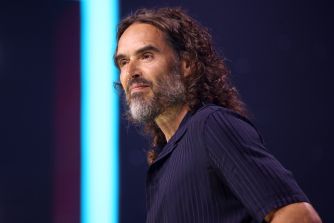
YouTube has rejected a British government request to remove a video featuring a message from imprisoned comedian Russell Brand, who maintains his innocence despite being convicted of rape and sexual assault.
British officials sought the video's removal after Brand's wife, Laura Gallacher, read his statement during a November 15, 2026 episode of their YouTube program, Sunday Service with the Brands. The government argues that the message could cause further distress to the women he assaulted, while Google has declined to remove the content under its existing platform policies.
The refusal comes as prison authorities investigate whether Brand violated restrictions on inmates communicating with the media. British officials have acknowledged that they cannot currently compel YouTube to remove the recording.
Brand was sentenced to 10½ years in prison earlier this month following his conviction for rape and sexual assault. He has continued to deny wrongdoing.
In the disputed video, Gallacher read a message from her husband disputing his conviction and suggesting that something unusual had occurred during the proceedings. Portions of the program had been recorded before Brand was imprisoned.
The British Prison Service requested that YouTube take down the episode, citing rules that restrict prisoners from making public statements that could cause serious distress to victims. Prisoners generally require permission to communicate with the media, with exceptions permitted in limited circumstances.
Prime Minister Keir Starmer's office condemned the statement, describing it as unacceptable for a convicted prisoner to use a public platform in a manner that could further distress those affected by his crimes.
Google told the BBC that YouTube had reviewed the material and declined the removal request because it did not identify a violation warranting the video's removal. The company also said its teams were continuing to examine the new content.
YouTube previously suspended Brand from its Partner Program in September 2023, preventing him from earning advertising revenue through the platform. That restriction remains separate from the question of whether his videos can continue to appear online.
The dispute has drawn attention to the limits of the government's authority over content published by private technology companies. Prison officials can investigate whether Brand breached rules governing inmate communications, but those restrictions do not automatically require YouTube to remove a video posted by another person.
Following his conviction, Meta removed Brand's Facebook and Instagram accounts. His YouTube presence remains accessible, including content published through the channel he shares with Gallacher.
On November 19, Starmer urged social media companies to remove the disputed material. British officials have also discussed whether existing legislation provides sufficient authority to address public statements made by convicted prisoners through third parties.
Prison authorities are continuing to examine whether Brand's message violated restrictions on inmate communications, including rules intended to prevent serious distress to victims. No disciplinary finding against Brand has been announced, and YouTube has left the video accessible despite the government's request.