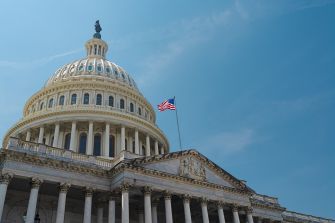
Democrats won control of both the House of Representatives and Senate in the November 3, 2026, midterm elections, ending Republican control of Congress and setting up two years of divided government during the remainder of President Donald Trump's term.
The victories give Democrats majorities in both chambers for the first time since 2023, allowing the party to take charge of federal legislation, spending negotiations and presidential appointments when the new Congress convenes on January 3, 2027.
Democrats captured at least seven Republican-held Senate seats, including victories in Texas, North Carolina, South Carolina, Ohio, Iowa, Kansas and Maine. In Texas, James Talarico defeated Republican Attorney General Ken Paxton, while former North Carolina Gov. Roy Cooper won his race and Sherrod Brown returned to the Senate after defeating Republican Sen. Jon Husted in Ohio.
Kansas elected a Democratic senator for the first time in nearly a century, and Democrats flipped House districts across the country, including several in areas Trump carried in the 2024 presidential election. The Associated Press projected Democratic control of both chambers as vote counting continued in several races.
The results followed an election shaped by concerns over rising prices, the economy, and the war in Iran. An Associated Press voter survey found widespread dissatisfaction with the Trump administration's handling of costs, with many voters favoring stronger congressional checks on presidential power.
House Democratic leader Hakeem Jeffries is positioned to become speaker when lawmakers return in January, subject to a vote by the new chamber. His election would make him the first Black speaker of the House and place him second in the presidential line of succession, after the vice president.
Democratic majorities will determine which bills receive hearings and votes, giving lawmakers an opportunity to advance proposals on taxes, health care, immigration and federal spending. The party will also appoint committee chairs and establish legislative priorities for the next two years.
Trump will retain the power to veto legislation, leaving Democrats to negotiate with the White House or secure two-thirds support in each chamber to override his objections. Most bills also face a 60-vote threshold in the Senate to overcome a filibuster, although certain budget measures can pass under special procedures requiring a simple majority.
Federal spending negotiations could become an early point of conflict. Congress determines annual funding for government agencies, allowing Democratic lawmakers to seek changes to immigration enforcement budgets, health care programs and other administration priorities.
Funding agreements will require cooperation between the Democratic-controlled Congress and the Republican White House. Disputes over spending levels or restrictions on federal programs could lead to prolonged negotiations and potential government shutdowns if lawmakers fail to approve funding before existing appropriations expire.
Trump's judicial and executive appointments will also face a different Senate. Democratic leaders will control confirmation hearings and voting schedules for federal judges, Cabinet officials, and other nominees requiring Senate approval.
The change could affect vacancies throughout the federal judiciary, where judges generally serve lifetime appointments. Nominees opposed by the Democratic majority could face rejection or extended delays, limiting Trump's ability to fill open positions during his remaining term.
Congressional committees will also gain new leadership, allowing Democratic lawmakers to investigate federal agencies, request government records, and subpoena administration officials. Potential inquiries could examine immigration enforcement, federal spending decisions and other policies implemented during Trump's second term.
Democratic control of the House also restores the party's ability to initiate impeachment proceedings through a majority vote. Conviction and removal from office would require approval from two-thirds of senators present. Trump was impeached twice during his first presidency and acquitted by the Senate both times.
Republicans will continue leading the outgoing Congress through the end of its term, retaining authority over legislation and nominations during the remaining weeks of 2026.
The incoming 120th Congress will convene January 3, when lawmakers elect leaders, organize committees, and begin setting the legislative agenda that will shape Trump's final two years in office.