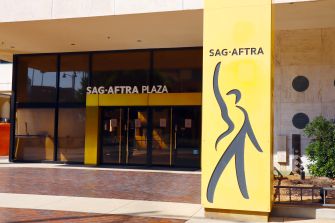
SAG-AFTRA has resumed terminating performers who fall at least 18 months behind on union dues, ending a six-year suspension of enforcement during the COVID-19 pandemic and subsequent Hollywood strikes. Thousands of actors have reportedly lost their memberships under the reinstated policy.
The terminations began November 1, 2026, following an October 31 deadline for members to settle outstanding balances. Variety reported on November 17 that thousands of performers had lost their memberships, although SAG-AFTRA has yet to release an official count. Under the union's constitution, members who remain out of good standing for 18 consecutive months because of unpaid dues or other financial obligations face automatic termination.
Pandemic shutdowns disrupted film and television production in 2020, prompting the union to suspend membership terminations. Relief measures continued through subsequent industry strikes and a downturn in Hollywood employment, allowing members to retain their membership despite unpaid balances. SAG-AFTRA continued issuing dues statements while offering extended deadlines, installment plans, and waived late fees.
Performers affected by the renewed enforcement lose union privileges, including voting rights and participation in union governance. Membership can be restored after outstanding financial obligations are resolved and the reinstatement process is completed.
Members approaching termination received 12 months to bring their accounts current, along with repeated notices about unpaid balances. In November 2025, SAG-AFTRA's national board approved a Member Assistance Program offering additional payment arrangements for performers facing removal.
Members experiencing financial hardship can seek individual consideration through SAG-AFTRA's Reinstatement Obligations Review Committee, which can adjust repayment requirements under established leniency guidelines, according to the union's November 10 guidance.
SAG-AFTRA has cited the cost of residuals processing, contract negotiations, and legal services among its reasons for restoring dues enforcement. The decision comes amid broader scrutiny of the union's finances, including its handling of unclaimed residual payments and a forgiven $10 million federal pandemic loan.