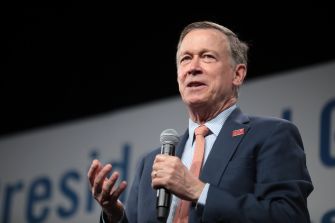
Senate Democrats are pushing to establish a committee with the power to investigate artificial intelligence companies, subpoena internal records and develop federal regulations as the party prepares to take control of Congress in January 2027. Colorado Sen. John Hickenlooper urged the candidates for Senate majority leader on November 19, 2026, to prioritize AI safety and consider creating a dedicated oversight panel.
Hickenlooper sent letters to Democratic Leader Chuck Schumer of New York and Sen. Chris Van Hollen of Maryland, who are competing to lead the incoming majority. He called for independent testing of AI systems, stronger accountability measures for developers and federal safeguards against cybersecurity and national security threats.
"The next Majority Leader should have a day-one plan for responsible regulation," Hickenlooper wrote, urging the Senate to consider a select committee with the authority and resources to oversee the rapidly developing technology.
Arizona Sen. Ruben Gallego has already introduced legislation outlining how such a committee could operate. His September 29 resolution, S. Res. 918, would establish a Senate Select Committee on Artificial Intelligence with authority to subpoena company executives, obtain internal communications and financial records, compel sworn testimony and investigate potential risks associated with AI development.
Up to 13 senators would serve on the panel, examining issues ranging from consumer privacy and employment discrimination to national security, cybersecurity and the federal government's use of AI. Investigations could also address the technology's effects on electricity demand, water resources and critical infrastructure.
Gallego's proposal would allow the committee to consider AI legislation referred to it, submit recommendations to the Senate and coordinate investigations with existing congressional panels. The majority leader would appoint its chair, while the minority leader would select the ranking member. Both would control equal shares of personnel funding.
Support for a dedicated committee has grown among Democratic lawmakers. New Mexico Sen. Ben Ray Luján has also called for a bipartisan panel, while Van Hollen said Friday that he supports creating a select or joint committee because AI affects so many areas of public policy.
Schumer's office said he has been working with incoming committee leaders on legislation addressing risks to national security, workers and consumers while supporting technological innovation.
Other lawmakers have questioned whether a separate committee is necessary. Texas Republican Sen. Ted Cruz, who chairs the Senate Commerce Committee, objected to shifting AI issues away from existing panels but said bipartisan discussions about potential risks were underway. Oregon Sen. Ron Wyden, the incoming Senate Finance Committee chairman, said he wanted more details about the proposed committee's responsibilities.
Hickenlooper is also seeking restrictions on advanced AI capabilities, including a possible ban on recursive self-improvement, which would allow systems to autonomously improve their own capabilities. His letter called for stronger third-party safety evaluations and policies addressing the technology's effects on employment, competition and national security.
Rising electricity costs and water consumption associated with data centers have added to lawmakers' concerns. Hickenlooper cited those pressures alongside the potential displacement of workers as reasons for Congress to act.
Federal lawmakers have previously considered AI safeguards, including recommendations from a bipartisan Senate working group established by Schumer in 2023. The group released a report in 2024 calling for increased federal investment in AI research, development, and safety measures.
President Donald Trump has generally favored fewer federal restrictions on AI development and has rescinded former President Joe Biden's 2023 executive order establishing federal oversight requirements. Any legislation imposing new nationwide safeguards would have to pass both chambers of Congress and receive presidential approval or sufficient support to override a veto.
Gallego's resolution remains before the Senate Committee on Rules and Administration. If adopted, the committee would begin operating during the 120th Congress and continue unless the Senate decides otherwise.
Senate Democrats are scheduled to choose their next majority leader on December 1, with Schumer and Van Hollen competing to direct the party's legislative agenda when the new Congress convenes in January.