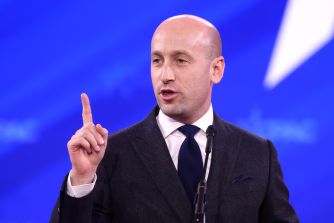
White House Chief of Staff Stephen Miller has ordered administration employees to obtain advance approval from White House lawyers before meeting with registered lobbyists to discuss government policy, tightening access to President Donald Trump's administration days after taking over the West Wing.
The directive, disclosed on November 13, 2026, prohibits staff from holding unauthorized policy meetings with lobbyists anywhere on the White House complex. An internal memorandum also instructs employees to direct lobbying inquiries to the Office of Public Liaison, making that office the primary contact for outside organizations seeking access to administration officials.
Miller issued the restrictions after replacing Susie Wiles as chief of staff on November 9, following Trump's announcement three days earlier. The change comes amid scrutiny of politically connected lobbying firms and allegations that corporate interests received preferential access to senior White House officials during Wiles' tenure.
Calley Means, a former senior adviser at the Department of Health and Human Services, recently accused lobbying interests of influencing administration health policy. Means raised concerns about Ballard Partners, where Wiles previously worked, and Continental Strategy, which employs her daughter, Katie Wiles.
The White House disputed allegations involving Katie Wiles, saying she did not discuss her business with her mother. Continental Strategy has maintained that she does not lobby the federal government on behalf of clients. Brian Ballard, founder of Ballard Partners, also disputed suggestions of extensive access to Wiles, describing his firm's interactions with her as chief of staff as limited.
Miller's restrictions place the Office of White House Counsel between registered lobbyists and staff members seeking to discuss policy on White House grounds. The approval requirement covers meetings inside the presidential complex, while lobbyists can continue pursuing contact with administration officials through other channels, including locations outside the White House.
Federal law already requires covered lobbyists to register and disclose information about their clients and lobbying activities under the Lobbying Disclosure Act. Miller's memorandum adds an internal White House approval requirement rather than changing those federal rules.
The directive gives White House lawyers authority to review covered meeting requests as Miller takes control of the administration's daily operations. The memorandum does not specify the standards for granting approval or whether authorized meetings will be publicly disclosed.