We use cookies and similar technologies to help our website function, understand how visitors use our site, and improve your experience. Some cookies are necessary for the website to operate, while others may be used for analytics or advertising.
Viewing as a visitor in
Legal News, Information & Blogs
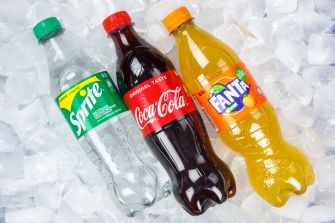
Coca-Cola Faces Class Action Bid Over Sprite and Fanta Labels
A California federal judge has tentatively approved two consumer classes in a lawsuit accusing The Coca-Cola Company of falsely advertising certain Sprite and Fanta beverages as containing “100% Natural Flavors” while using ingredients that allegedly function as artificial flavorings.
At a November 23, 2026, hearing, U.S. District Judge George H. Wu questioned whether the proposed class representative could adequately protect the interests of California purchasers, describing her as a “terrible” choice after she acknowledged that natural flavoring was immaterial to her purchasing decisions. Coca-Cola opposed certification, challenging her suitability to represent consumers who allegedly relied on the company's labeling.
Victoria Palmer, a Los Angeles County resident, filed the lawsuit on May 27, 2025, in the U.S. District Court for the Central District of California after purchasing Sprite Lemon-Lime and Fanta Orange. Her original complaint states that the natural flavor claims influenced her purchasing decisions and led her to believe the beverages were healthier and of higher quality than comparable products.
The complaint also challenges the labeling of several other varieties, including Sprite Zero Sugar, Sprite Cherry, Fanta Zero Sugar Orange, Fanta Strawberry, Fanta Grape and seasonal versions of both brands.
Among the ingredients under dispute is citric acid, commonly used in beverages to produce a tart taste and regulate acidity. Palmer argues that synthetically produced citric acid contributes directly to the taste of the sodas and qualifies as an artificial flavoring under federal food labeling regulations. Sodium citrate, potassium citrate and artificial sweeteners are also identified in the complaint.
Court documents include photographs of beverage packaging and screenshots of online product listings from Amazon and Target displaying the challenged marketing claims. Palmer alleges that the representations gave Coca-Cola a competitive advantage over manufacturers selling comparable beverages and allowed the company to charge consumers higher prices.
In a July 2025 Motion to DismissA request asking a court to end all or part of a lawsuit because the claim is legally insufficient or another threshold defect prevents it from proceeding.Read more →, Coca-Cola disputed whether Palmer had sufficiently established that the ingredients qualified as artificial flavorings under federal regulations, which consider both the source and function of a substance. The company also argued that federal labeling requirements preempted her state law claims.
Wu allowed key claims to proceed in October 2025, finding that Palmer had sufficiently alleged that the disputed ingredients function as flavorings and that the company's representations could mislead consumers.
The original complaint sought to represent purchasers nationwide, along with a California subclass, and alleged that the amount in controversy exceeded $5 million. Palmer seeks damages, restitution, and a court order requiring Coca-Cola to change its labeling and marketing practices under California's Consumer Legal Remedies Act, Unfair CompetitionUnfair competition is a broad area of law addressing deceptive, misleading, or wrongful business practices that harm competitors, consumers, or another party's commercial identity.Read more → Law, and False AdvertisingFalse advertising involves materially false or misleading statements made in commercial advertising or promotion about products, services, or commercial activities.Read more → Law.
Wu's tentative decision concerns California purchasers, with a final ruling on class certification and representation still outstanding.
Share This Article
If you found this article insightful, consider sharing it with your network.
Xiolene is a contributing journalist with more than a decade of experience in management, operations, and client service. Her background spans the veterinary and beauty industries, giving her experience working with businesses, consumers, employees, and service-focused organizations. Xiolene brings a practical business and consumer perspective to her coverage, focusing on making complex news and current events clear and accessible to readers.
Celsius is facing a proposed class action lawsuit accusing the energy drink company of misleading consumers with claims that its beverages burn body fat and accelerate metabolism, while placing important qualifications in small print on the back of its packaging.The lawsuit, filed October 26, 2026, in Seattle federal court, alleges...
Read
More about Celsius Sued Over Claims Its Energy Drinks Burn Body Fat »
Kendall Jenner’s 818 Tequila has lost its bid to end a proposed consumer class action brought by buyers who say they paid premium prices for bottles labeled “100% agave” after laboratory testing allegedly detected alcohol from other sources.U.S. District Judge Matthew Kennelly ruled October 7, 2026, that the consumers had...
Read
More about Kendall Jenner’s 818 Tequila Loses Bid to End ‘100% Agave’ Lawsuit »
Starbucks is facing a proposed class action accusing it of calling protein drinks “Sugar-Free” even though some venti servings contain as much as 21 grams of sugar, setting up a fight over whether the label describes the syrup or the finished beverage.Three consumers filed the lawsuit on October 2, 2026,...
Read
More about Starbucks ‘Sugar-Free’ Protein Drinks Have Up to 21 Grams of Sugar, Lawsuit Claims »
Chobani must face a proposed class action accusing the company of misleading consumers by marketing yogurt as sugar-free even though each serving allegedly contains four grams of allulose, a sweetener that a federal appeals court found qualifies as sugar under federal labeling rules.The 7th U.S. Circuit Court of Appeals in...
Read
More about Chobani Must Face Lawsuit Over Zero Sugar Yogurt Label »
Colgate-Palmolive Company is facing a class action lawsuit in California that accuses the company of misleading consumers by marketing its “hello kids” toothpaste line as safe and natural, while allegedly containing unsafe levels of lead.
The case was filed on October 22 by California residents Nathan Barton and Cynthia Fahrnkopf...
Read
More about Parents Sue Colgate Claiming “Hello Kids” Toothpaste Contains Unsafe Levels of Lead »