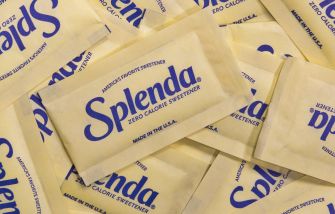
Splenda maker TC Heartland LLC is asking a federal appeals court to revive its defamation lawsuit against a North Carolina scientist who warned that chemicals associated with the artificial sweetener could damage DNA and potentially contribute to cancer. The company argues that her public statements misrepresented scientific research and relied on concealed test results.
In an appeal reported November 2, 2026, Heartland urged the Fourth Circuit to overturn a ruling that protected statements made by Susan Schiffman, a scientist at North Carolina State University. The manufacturer contends that Schiffman's warnings overstated the findings of her research and falsely connected potential health risks to Splenda.
Schiffman and three co-authors published a study in May 2023 examining sucralose, the artificial sweetener used in Splenda, and a related compound called sucralose-6-acetate. Laboratory experiments found that the related compound could damage DNA and affect genes associated with inflammation and cancer. The research examined cellular responses rather than cancer outcomes in people consuming Splenda.
Following publication, Schiffman discussed the findings in a university news release and television interview. She warned that sucralose-6-acetate could cause harmful effects and suggested that even a single packet of Splenda could contain enough of the compound to exceed a safety threshold used to assess potential DNA damage.
Heartland sued Schiffman in 2023, accusing her of extending findings about sucralose-6-acetate to its branded sweetener and misleading consumers about the product's safety. The company also alleged that she withheld experimental results that contradicted the conclusions presented in her published study.
U.S. District Judge Catherine Eagles dismissed the lawsuit on June 22, finding that Schiffman's public statements accurately summarized her published conclusions and were protected by the First Amendment. Eagles determined that Heartland's objections challenged the strength of the scientific evidence and the researcher's interpretation of it. The company also failed to establish sufficient evidence that Schiffman knowingly made false statements or recklessly disregarded their accuracy.
The judge considered findings from a North Carolina State University investigation prompted by allegations of omitted research data. A university committee concluded that Schiffman should have disclosed certain negative test results and explained differences between experiments. The committee unanimously cleared her of research misconduct, and Eagles found that the omissions did not establish fraud or undermine the constitutional protection afforded to her statements.
Heartland is now challenging that conclusion, arguing that the First Amendment cannot shield misleading public claims merely because they concern published scientific research. The company wants the Fourth Circuit to allow its defamation claims to proceed based on the disputed statements and allegedly concealed findings.
Schiffman also sued Heartland after the company published criticism of her research and accused her of making misleading statements to attract publicity. Eagles dismissed her counterclaims, finding that Heartland's criticism of her scientific methods and conclusions was also protected speech.
Heartland's appeal seeks to restore its claims against Schiffman, while the scientist has separately appealed the dismissal of her counterclaims. Under the current appellate schedule, additional briefs are due November 30 and December 30.