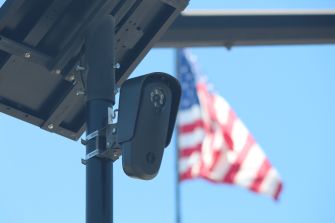
San Diego has shut down approximately 500 Flock Safety license plate reader cameras after the City Council voted unanimously to end police use of the surveillance technology following allegations of misuse and a constitutional privacy lawsuit. The November 16, 2026, vote also led the city to begin the process of removing the cameras and ending its agreements with the companies operating them.
The San Diego Police Department disabled the automated license plate readers on November 17, ending officers' access to a system that had tracked vehicles across the city since 2023. The equipment remains installed while officials arrange its removal.
The decision followed disclosures that police investigators used Flock cameras to track a fellow officer and a woman identified as a domestic violence victim during an internal affairs investigation involving alleged officer misconduct. The searches prompted Councilmember Raul Campillo, who previously supported the technology, to demand an immediate suspension and an audit of its use.
Police officials defended the searches as permitted under department rules, saying the cameras had been used in six internal investigations involving employee misconduct. The department maintained that the system was not used to routinely monitor officers or residents.
The council withdrew authorization under San Diego's Transparent and Responsible Use of Surveillance Technology Ordinance, known as the TRUST Ordinance, which requires city officials to review and approve surveillance systems used by police. Members also voted 5-2 to end authorization for the Smart Streetlights program, which provided video footage for criminal investigations.
San Diego was already facing a constitutional challenge to its license plate reader network. On September 29, the Partnership for the Advancement of New Americans, represented by the American Civil Liberties Union Foundation of San Diego & Imperial Counties, sued the city and its police department, alleging that the surveillance system violated privacy protections under the California Constitution.
The lawsuit challenges the collection and storage of vehicle location data from residents regardless of whether they are suspected of criminal activity. Flock cameras automatically record license plates, vehicle descriptions, locations, and timestamps, allowing police to search the information and reconstruct a vehicle's movements. San Diego generally retained those records for 30 days, with exceptions for information connected to investigations.
According to the complaint, the network allowed authorities to track visits to medical facilities, places of worship and other locations that could reveal sensitive details about residents' lives. The organization seeks a court order requiring the city to end the surveillance, remove the cameras and delete the information collected through the system.
Mayor Todd Gloria, who previously supported the technology as a crime-fighting tool, said his administration would carry out the council's decision. Police credited the cameras with helping solve 941 cases, contributing to 706 arrests and recovering 689 stolen vehicles since 2023.
The shutdown also affects San Diego's agreement with Ubicquia, which supplies the Smart Streetlights infrastructure, while Flock operates the license plate readers as a subcontractor. The council's votes opened the way for the city to terminate or renegotiate the agreements covering both systems.
City officials said they would present a removal plan by the end of the week, although dismantling the equipment could take several months. Police also said the vendors had agreed to delete previously collected data and provide confirmation once the process was completed.
San Diego must now address those contractual obligations while the constitutional lawsuit continues over the city's collection and use of surveillance data.